Doctors Made a Digital Clone of Myself… And It Saved My Life?
Imagine a perfect digital copy of your heart, your brain, your lungs living inside a computer. It sounds like something from a sci-fi movie, but in reality it is turning into one of the most exciting breakthroughs in modern medicine.
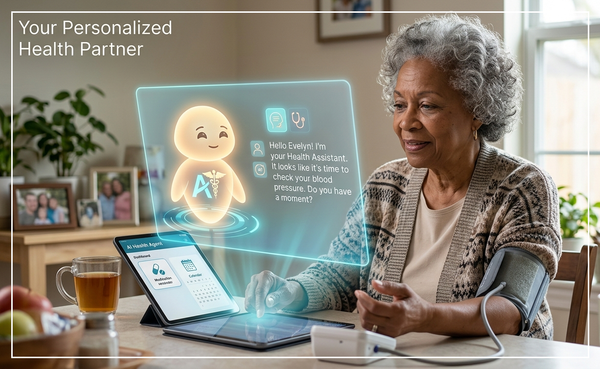
In the tech world, these are known as “Digital Twins.” And now, physicians and scientists are beginning to employ AI in the creation of virtual, 3D copies of a patient’s actual organs.
How does this happen?
Doctors and researchers are beginning to use AI to create virtual 3D representations of a patient’s real organs.
Alternatively, if a surgeon has to perform complicated high risk heart surgery, they generally have to rely on scans, x rays and past experience. There’s always a little bit of unpredictability because everyone’s body is shaped a little bit differently.
With a digital twin, a surgeon can upload your specific data into a program and build a virtual copy of your heart.
- They can see precisely where the blood will flow.
- Then they can try the surgery on the computer first.
- They can play with different virtual incisions.
If something doesn't work, they find out on the computer instead of during the operation. By the time the actual surgery takes place, they already know which approach is most likely to succeed.
In the future
Another great side to this is predicting the future. If you have a disease, doctors can use AI to speed up your digital twin by 5 years, 10 years or 20 years.
They get to see how a certain drug might impact your virtual body long-term. If the digital twin shows a bad side effect five years down the road, your doctor can change your treatment plan today before you ever take a single pill.
The Ups
- Zero-Risk Trial Runs Surgeons can make mistakes on a screen rather than a real patient, drastically reducing the risk of complications during surgery.
- Truly Personalized Medicine: We customize treatments to your unique biology, shifting away from “one-size-fits-all” healthcare.
- Future Problem Prevention: AI can predict years in advance, allowing doctors to identify potential health issues or drug side effects before they occur.
The Downs
- Massive Data Privacy Risks: A computer needs your most intimate health data to build a perfect digital twin. That’s a big privacy issue if that data gets hacked.
- The “Data Gap”: AI is only as intelligent as the data it’s supplied with. “If they haven’t trained the AI on a diverse range of bodies and backgrounds, the digital twin might not be accurate for everyone.
- High Costs: Currently it takes huge amounts of computing power and expensive technology to create a digital twin, which means it won’t be available to every hospital or patient anytime soon.
Importance
For a long time, medicine has been one-size-fits-all. If you have a certain illness, you get the standard treatment that works for the average person.
Digital twins change all of that. They are 100% customized for you in healthcare. They remove the guesswork from difficult medical decisions and make surgeries incredibly precise.
We are not yet at the point where everybody has a complete digital clone of their entire body, but we are getting closer every day. The next time you go in for a procedure, your doctor may just practice on your digital twin first.